Mastering the art of Boiled Green Plantains is a transformative journey for any home cook looking to expand their repertoire of starchy side dishes. Often overshadowed by their sweet, ripened counterparts, green plantains offer a savory, potato-like versatility that is both incredibly satisfying and naturally gluten-free.
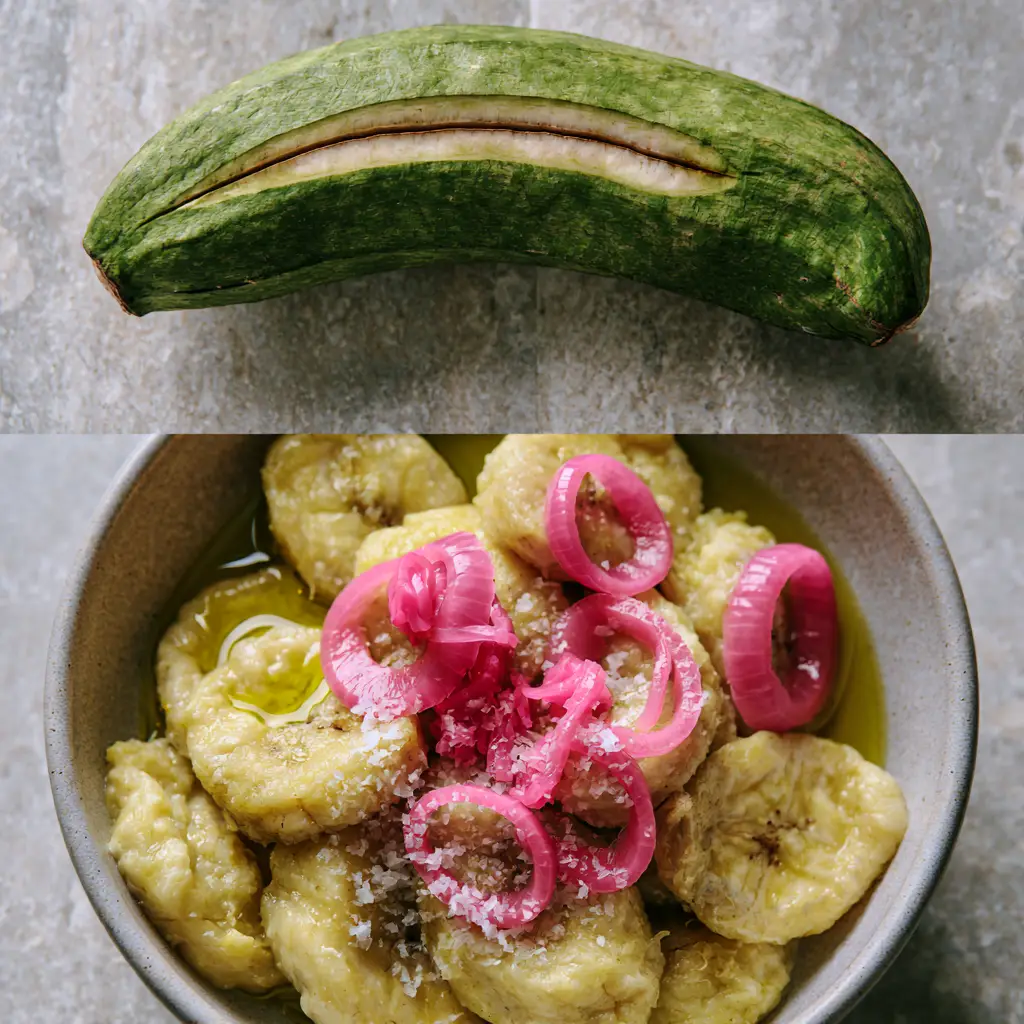
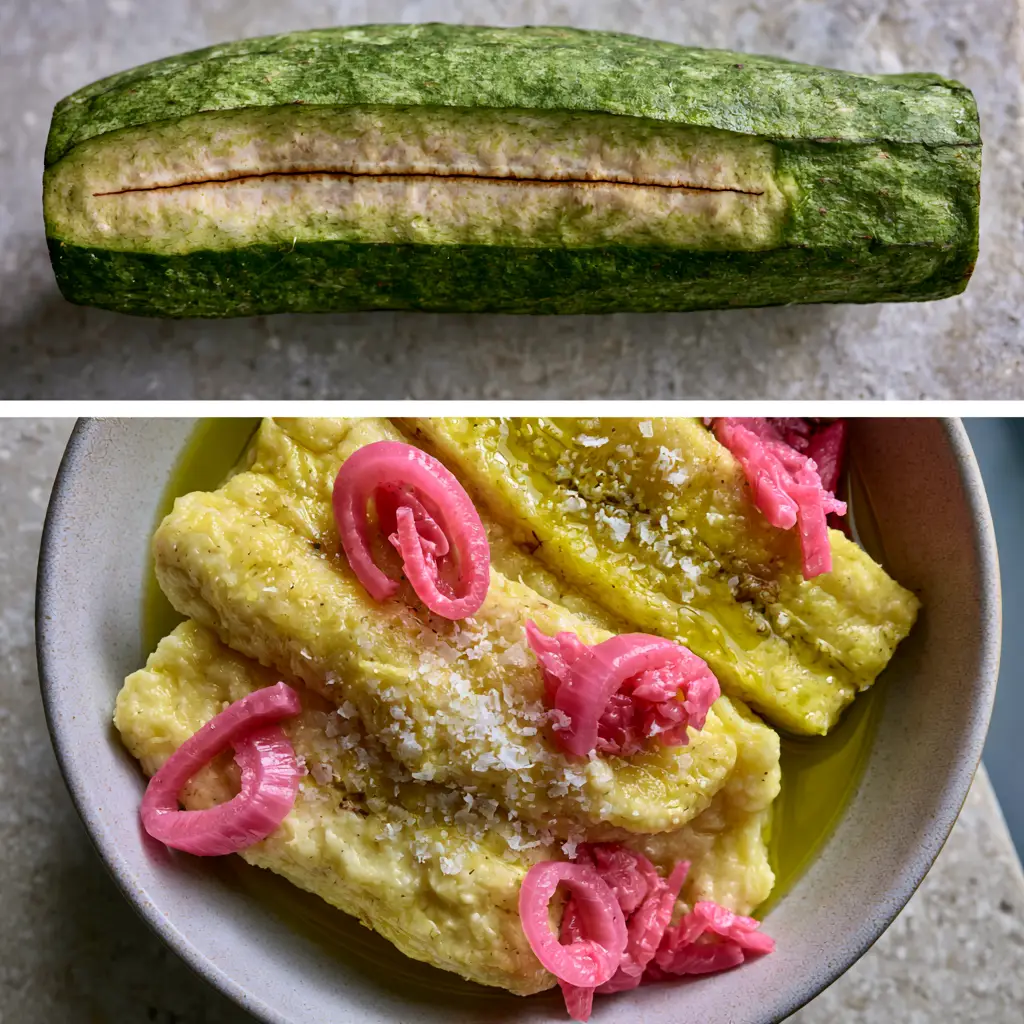
In this guide, we reveal the specific techniques required to achieve that elusive buttery yellow hue and ultra-creamy texture seen in professional food photography. From the precise vertical score of the skin to the vibrant pop of pickled red onions, every element of this dish is designed for maximum flavor and visual impact.
Whether you are looking for a healthy alternative to mashed potatoes or a traditional Caribbean-inspired side, these plantains deliver a dense, velvety crumb that soaks up high-quality olive oil and flaky sea salt beautifully.
Why You Will Love This Savory Plantain Preparation
- Perfectly Creamy Texture: Unlike fried plantains, boiling creates a soft, mashable consistency that is surprisingly light on the palate.
- Vibrant Visual Contrast: The combination of pale yellow plantain rounds and bright pink pickled onions makes this a show-stopping side dish.
- Foundationally Simple: With just a few pantry staples, you can turn a tough, green fruit into a gourmet experience.
- Naturally Nutritious: These are packed with resistant starch and potassium, making them a “smart carb” choice for balanced meals.
The Essential Elements for Savory Boiled Plantains
Green Plantains (Unripe): Look for plantains with a deep green, blemish-free skin; they should feel as firm as a piece of wood, ensuring the high starch content needed for a creamy finish.
Extra Virgin Olive Oil: A high-quality oil provides the “golden glisten” and a fruity peppery note that balances the earthiness of the starch.
Red Onion & Acid: We use red onion rings steeped in lime juice or vinegar to provide a bright, acidic crunch that cuts through the density of the plantain.
Flaky Sea Salt: Unlike table salt, flaky sea salt provides a tactile crunch and bursts of salinity that elevate the mild flavor profile of the boiled rounds.
White Vinegar (for boiling): Adding a splash of vinegar to your boiling water is the professional secret to preventing the plantains from oxidizing and turning gray.
Necessary Tools for Culinary Success
To achieve the precise “vertical score” skin incision and the even cooking described in our visual blueprint, you will need a sharp Chef’s knife. A heavy-bottomed stockpot is essential for maintaining a steady simmer, ensuring the plantains cook through to the center without falling apart on the edges.
A handheld mandoline or a very steady hand is recommended for creating the paper-thin red onion rings. Finally, a slotted spoon is the best tool for retrieving the steaming rounds from the water without bringing excess moisture to the serving bowl.
Mastering the Art of the Perfect Boil
Preparing the Raw Plantain for the Pot
Start by cutting off both ends of the green plantain. Using the tip of your knife, make a single, deep, clean vertical score through the thick green skin from top to bottom, being careful not to cut deep into the flesh. This technique, as seen in our raw plantain photography, allows the boiling water to penetrate the skin and makes peeling effortless once cooked.
Achieving the Buttery Yellow Texture
Place the scored plantains (either whole or cut into large segments) into a pot of boiling water seasoned generously with salt and a teaspoon of white vinegar. Boil for 20-25 minutes until the flesh turns a pale buttery yellow and a fork easily pierces the center with no resistance. The texture should feel soft and “creamy” rather than fibrous or dry.
Crafting the Pickled Red Onion Garnish
While the plantains simmer, thinly slice your red onion into rings. Submerge them in a mixture of lime juice, a pinch of sugar, and salt for at least 15 minutes. Watch as they transform into a vibrant pink hue—this provides the essential acid component to the dish.
The Final Plating and Finishing Touches
Once tender, remove the plantains from the water and discard the skins. Slice them into 1-inch (2.5cm) rounds and arrange them in a steaming bowl. Top with the pickled red onion rings, a generous drizzle of golden olive oil, and a final sprinkle of flaky sea salt for that glistening, professional finish.
Expert Tips for Success
- Water Temperature: Always start by bringing your water to a boil before adding the plantains; starting in cold water can lead to a gummy, waterlogged texture.
- Skin Integrity: Do not remove the skin before boiling. Boiling in the skin protects the flesh, keeping it moist and preventing it from becoming mushy.
- The “Rest” Period: Let the plantains sit for 2 minutes after peeling but before slicing to allow the starches to set slightly, giving you cleaner rounds.
- Sourcing: If your plantains have any yellow spots, they are beginning to ripen and will be slightly sweet; for this savory recipe, the greener, the better.
Storage, Reheating, and Freezing Advice
Boiled green plantains are best enjoyed immediately while steaming and creamy. However, you can store leftovers in an airtight container in the refrigerator for up to 3 days.
To reheat, avoid the microwave, which can make them rubbery. Instead, lightly sauté the rounds in a pan with a teaspoon of water and a lid to steam them back to life. While you can freeze boiled plantains, the texture will become slightly more porous upon thawing, making them better suited for mashing into a fufu or mofongo base later.
What to Serve With Savory Plantains
These creamy rounds act as a perfect neutral base for bold, saucy proteins. They are traditionally served alongside Smoky Chicken Tinga or as a starchy companion to Grilled Steak Kabobs.
For a fully plant-based spread, pair them with a refreshing Mexican Street Corn Salad or include them in your rotation of 30-minute vegetarian meals. The mild flavor also complements the richness of seafood, such as grilled shrimp or coconut-based curries.
Frequently Asked Questions
Yes! They are an excellent source of resistant starch, fiber, and potassium. They have a lower glycemic index than many other starches when kept in their green, unripe state.
You can, but the result will be sweet and soft rather than savory and starchy. For the specific savory flavor and creamy texture described here, you must use solid green plantains.
The easiest way is to cut off the ends and make a vertical score through the skin before boiling. Boiling the plantain in its skin loosens the bond, allowing the skin to slide right off once cooked.
Typically, they require 20 to 25 minutes in rapidly boiling water. You’ll know they are done when the flesh changes from white to pale yellow and a fork slides in with no resistance.
Plantains turn gray due to oxidation. To maintain a bright, buttery yellow color, add a teaspoon of white vinegar or lime juice to the boiling water.
The Ultimate Boiled Green Plantains Recipe
[Image-PinImage]
Boiled Green Plantains Recipe: The Secret to Creamy, Savory Perfection
Ingredients
Equipment
Method
- Trim the ends of the plantains. Use a sharp knife to make a single vertical score through the skin from top to bottom.
- In a small bowl, toss red onion rings with lime juice and a pinch of salt. Let sit for at least 15 minutes until vibrant pink.
- Bring a large pot of water to a boil with 1 tbsp salt and 1 tsp white vinegar. Add plantains and boil for 20-25 minutes until the flesh is buttery yellow and tender.
- Remove plantains from water, drain, and peel off the skins. Slice into 1-inch rounds.
- Arrange the rounds in a bowl. Top with pickled onions, drizzle with extra virgin olive oil, and finish with flaky sea salt.
Notes
Ensure plantains are fully green; any yellowing will result in a sweet rather than savory flavor.
[Image-PinImage-2]
Conclusion and Community Share
Boiled Green Plantains are a testament to how simple ingredients, when treated with the right technique, can create a sophisticated and comforting dish. The contrast of the warm, creamy starch against the cold, acidic crunch of pickled onions is a culinary balance you’ll find yourself craving week after week.
If you enjoyed this recipe, please leave a comment below and let us know your favorite way to serve plantains! Don’t forget to save this recipe to your boards on Pinterest so you always have this guide to the perfect savory side dish on hand.
[Image-PinImage-3]