There is a specific kind of magic that happens when the vibrant, tropical essence of a sun-ripened mango meets the sophisticated structure of a professional-grade sponge. These Mango Cakes are not your average tea-time snack; they are a masterclass in texture, featuring a crumb so aerated it feels like a golden cloud on the palate. Inspired by the deep, orange hues of the legendary Alfonso mango, this recipe captures the intensity of summer in every bite.
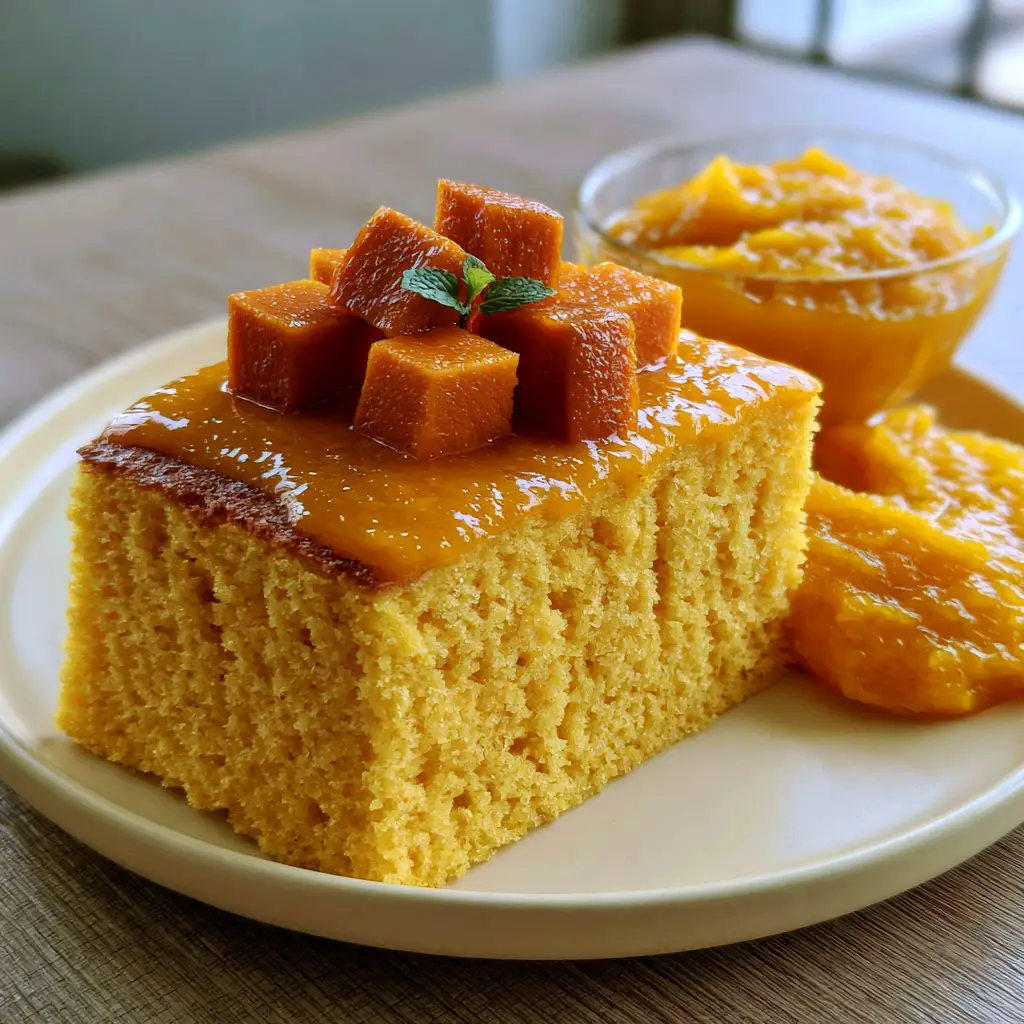
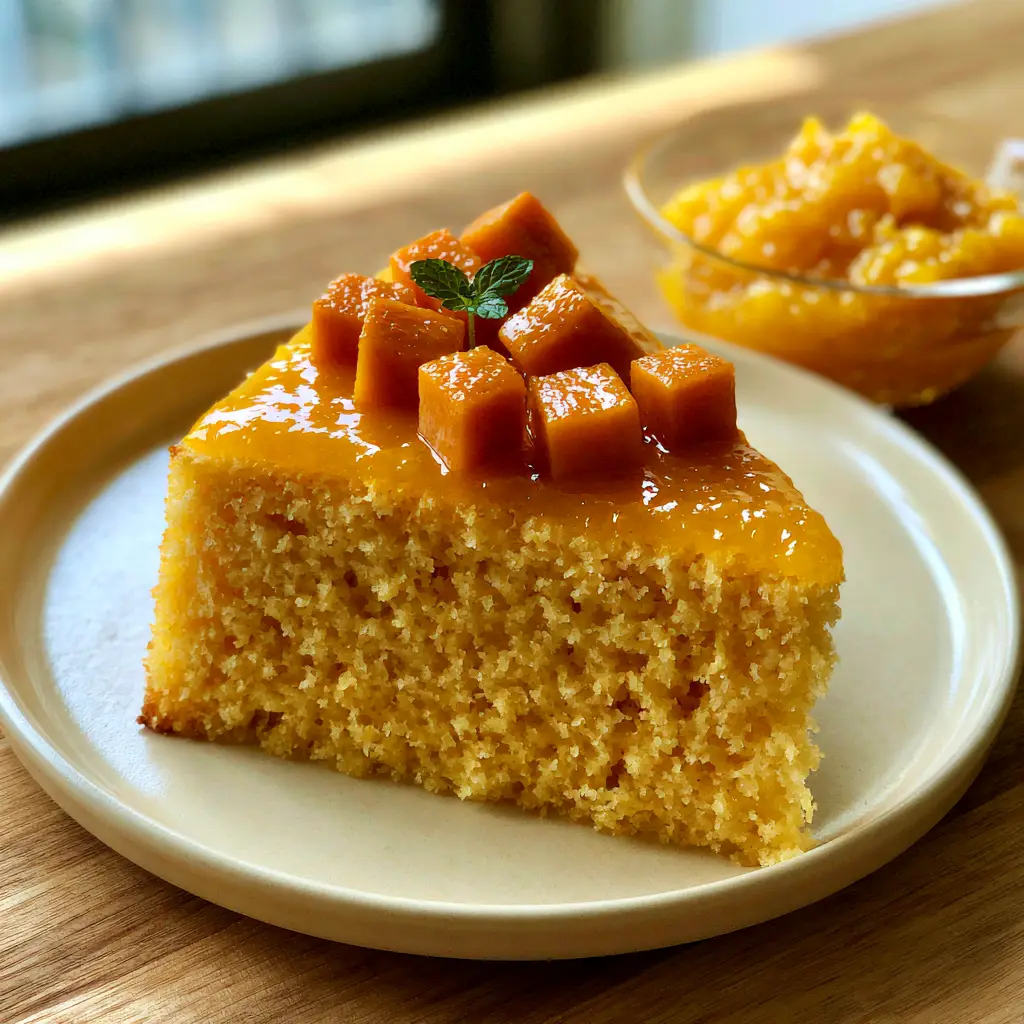
When you first slice into these Mango Cakes, you will notice the uniform, golden-yellow crumb that provides the perfect canvas for the glossy, concentrated glaze. To achieve that signature “handheld smartphone photo aesthetic” we see in high-end culinary magazines, we focus on the contrast between the matte ceramic plate and the reflective shine of the mango reduction. This is a dessert designed for those who appreciate the forensic details of a perfect bake.
Whether you are hosting a summer garden party or simply looking to elevate your weekend baking, this recipe delivers a sensory experience that rivals a professional patisserie. The addition of a thick “Mango Gold” fruit paste on the side adds a concentrated punch of flavor that rounds out the sweetness of the sponge. Let’s dive into the science of the perfect mango crumb.
Why These Aerated Mango Delights Stand Out
- Aerated Sponge Architecture: We utilize a specific egg-separation technique to ensure a light, airy, and uniform crumb that holds its structure without being dense.
- Concentrated Mango Reduction: Unlike watery syrups, our glaze is reduced until it reaches a thick, glossy consistency that clings beautifully to the cake.
- Alfonso Mango Cubes: Known as the “King of Mangoes,” the Alfonso provides a deep orange color and a buttery texture that standard mangoes simply cannot match.
- The “Mango Gold” Paste: A unique side accompaniment that offers a secondary texture—thick, vibrant, and intensely fruity.
- Visual Precision: Every element, from the tiny mint sprig garnish to the minimalist plating, is designed for maximum aesthetic impact.
Essential Components for the Fluffiest Mango Crumb
Cake Flour (2 cups / 250g): Lower protein content is essential for achieving that light, aerated sponge texture; it prevents the Mango Cakes from becoming “bread-like” or tough.
Granulated Sugar (1 cup / 200g): Sugar doesn’t just provide sweetness; it stabilizes the egg foam, ensuring the uniform crumb seen in our visual blueprint.
Large Eggs (4 total): We separate these to create a meringue base, which provides the primary lift for the sponge without relying solely on chemical leaveners.
Alfonso Mango Puree (1/2 cup / 120ml): Using pureed Alfonso mango directly in the batter provides that vibrant golden-yellow hue and a foundational tropical flavor.
Vegetable Oil (1/4 cup / 60ml): While butter offers flavor, oil provides superior moisture and ensures the cake remains soft even after being refrigerated.
Baking Powder (1.5 tsp / 6g): A foundational “invisible” ingredient that works alongside the whipped eggs to ensure the cake rises perfectly in the oven.
Salt (1/2 tsp / 3g): A pinch of salt is scientifically required to sharpen the sweetness of the mango and balance the overall flavor profile.
Fresh Alfonso Mangoes (2 large): These are diced into neat cubes for the topping, providing a fresh, juicy contrast to the cooked glaze.
Mint Sprigs: Used sparingly as a garnish to provide a pop of green against the deep orange and gold palette.
Precision Tools for Professional Results
To achieve the macro-shot perfection of these Mango Cakes, you will need a few specific tools. A stand mixer or high-powered hand mixer is non-negotiable for achieving the “ribbon stage” with your egg yolks and “stiff peaks” with your whites. A fine-mesh sieve is required for aerating the cake flour, ensuring no clumps interrupt the uniform crumb.
For the glaze, a heavy-bottomed stainless steel saucepan is preferred to prevent the sugars from scorching during the reduction process. Finally, a sharp chef’s knife is essential for dicing the Alfonso mango into those “perfectly ripe, deep orange cubes” that sit atop the glossy glaze. If you enjoy layered tropical desserts, you might also want to try your hand at a layered mango crepe cake for your next project.
The Secret to a Glossy Mango Reduction Glaze
Mastering the Fruit Reduction
The hallmark of these Mango Cakes is the thick, glossy glaze. To achieve this, we start with 2 cups (480ml) of mango puree and simmer it over medium-low heat. You are looking for a visual change: the liquid will darken from a pale yellow to a deep, translucent orange.
As the water evaporates, the natural pectins and added sugars begin to concentrate. You know it’s ready when the glaze coats the back of a spoon and leaves a clear path when you run your finger through it. This ensures it won’t soak into the cake and become “watery,” but rather sit proudly on top.
Crafting the Mango Gold Fruit Paste
The “Mango Gold” paste served on the side is a culinary forensic detail that elevates the dish. This is essentially a mango “pâte de fruit” in spreadable form. We cook mango puree with a touch of lemon juice and a higher concentration of sugar until it reaches a jam-like, thick consistency. Once cooled, it becomes a vibrant, matte paste that provides an intense flavor explosion when paired with the airy sponge.
Step-by-Step Instructions for the Perfect Sponge
Preparing the Aerated Base
Preheat your oven to 325°F (165°C). Begin by separating your eggs into two clean bowls. In the first bowl, whisk the yolks with half of the sugar until the mixture reaches the “ribbon stage”—when you lift the whisk, the batter should fall back in a thick, visible trail that holds its shape for 3 seconds.
Slowly stream in the oil and 1/2 cup (120ml) of mango puree while continuing to whisk. Sift the cake flour, baking powder, and salt over the wet ingredients and fold gently using a silicone spatula. It is vital not to overmix here, as we want to preserve the air bubbles we are about to fold in.
The Art of the Meringue Fold
In a separate bowl, whip the egg whites until foamy. Add a pinch of cream of tartar and the remaining sugar, beating until stiff, glossy peaks form. The whites should stand straight up when the beaters are lifted. This is the “aeration engine” of your Mango Cakes.
Gently fold one-third of the egg whites into the mango batter to lighten it. Then, fold in the remaining whites in two batches, using a “cut and fold” motion. Stop as soon as no white streaks remain. The batter should look voluminous and pale gold.
Baking and Cooling for Texture
Pour the batter into a lined 8-inch (20cm) square pan or individual cake molds. Bake for 25-30 minutes, or until a skewer inserted into the center comes out clean. The top should be a vibrant golden-yellow and spring back when lightly touched.
Allow the cakes to cool completely on a wire rack before glazing. If the cake is even slightly warm, the concentrated glaze will thin out and lose its glossy, thick appearance. For a different take on chilled mango desserts, consider a velvety mango mousse cake.
Final Assembly and Presentation
Once the Mango Cakes are cool, pour the room-temperature mango reduction over the top, spreading it to the edges. Neatly arrange the diced Alfonso mango cubes in a decorative pattern. Finish with a single tiny sprig of fresh mint and serve with a small bowl of the Mango Gold paste on a matte ceramic plate for that professional, unedited look.
Expert Tips for Success
- Room Temperature Ingredients: Ensure your eggs and puree are at room temperature to achieve the maximum volume during whipping.
- Sifting is Key: Never skip sifting the flour; it is the only way to ensure the “uniform crumb” described in the visual blueprint.
- Don’t Over-Reduce: If the glaze becomes too thick (like candy), stir in a teaspoon of warm water to loosen it back to a glossy pourable state.
- Alfonso Availability: If you cannot find Alfonso mangoes, Ataulfo (Honey) mangoes are the best substitute due to their lack of fiber and deep color.
What to Serve With Your Mango Cakes
These cakes are intensely tropical and pair beautifully with other fruit-forward desserts. If you are hosting a themed brunch, consider serving them alongside tangy passion fruit martini cupcakes for a variety of citrus notes. For a cooler, refreshing option, a refreshing mango bingsu makes an excellent palate cleanser.
If you’re moving from a savory meal into dessert, these cakes follow well after light, vibrant dishes like a Mexican street corn salad or even Thai-style pork skewers, which share the same sunny, bold flavor profiles.
Storage, Reheating & Freezing
Storage: These Mango Cakes are best enjoyed the day they are made. However, they can be stored in an airtight container in the refrigerator for up to 3 days. Note that the glaze may lose some of its gloss over time.
Freezing: You can freeze the unglazed sponge cakes for up to a month. Wrap them tightly in plastic wrap and then foil. Defrost at room temperature before adding the fresh glaze and mango cubes.
Reheating: We do not recommend reheating the assembled cake, as the fresh mango cubes and mint will wilt. Serve chilled or at room temperature.
Frequently Asked Questions
Yes, frozen mango works well for the puree, glaze, and paste. However, for the cubes on top, fresh Alfonso or Ataulfo mangoes are recommended for the best texture and appearance.
Avoid over-mixing the batter once the egg whites are added, and do not open the oven door during the first 20 minutes of baking, as the temperature drop can cause the delicate structure to fall.
This is a highly concentrated fruit spread made by slow-cooking mango puree and sugar until most of the moisture evaporates, leaving a thick, vibrant, and intense fruit flavor.
The secret lies in the egg separation method. Whipping the egg whites to stiff peaks and gently folding them into the batter creates air pockets that result in a light, uniform crumb.
A watery glaze usually means it hasn’t been reduced enough. Ensure you simmer the puree until it coats the back of a spoon and the color deepens to a translucent orange.
The Ultimate Aerated Mango Sponge Recipe
Mango Cakes with Glossy Alfonso Reduction and Thick Fruit Paste
Ingredients
Equipment
Method
- Whisk egg yolks and 100g sugar until they reach the ribbon stage. Stream in oil and 120ml mango puree.
- Whip egg whites and remaining sugar to stiff, glossy peaks.
- Sift dry ingredients into yolks, then gently fold in the meringue in three stages to maintain aeration.
- Bake at 325°F (165°C) for 25-30 minutes until the crumb is set and golden-yellow.
- Simmer 1 cup (240ml) of puree with sugar and lemon juice until thick, glossy, and reduced by half.
- Cook the remaining puree over low heat until it becomes a very thick, vibrant 'Mango Gold' paste.
Notes
Ensure the cake is fully cooled before applying the reduction glaze to keep it glossy.
Enjoy the Ultimate Tropical Escape
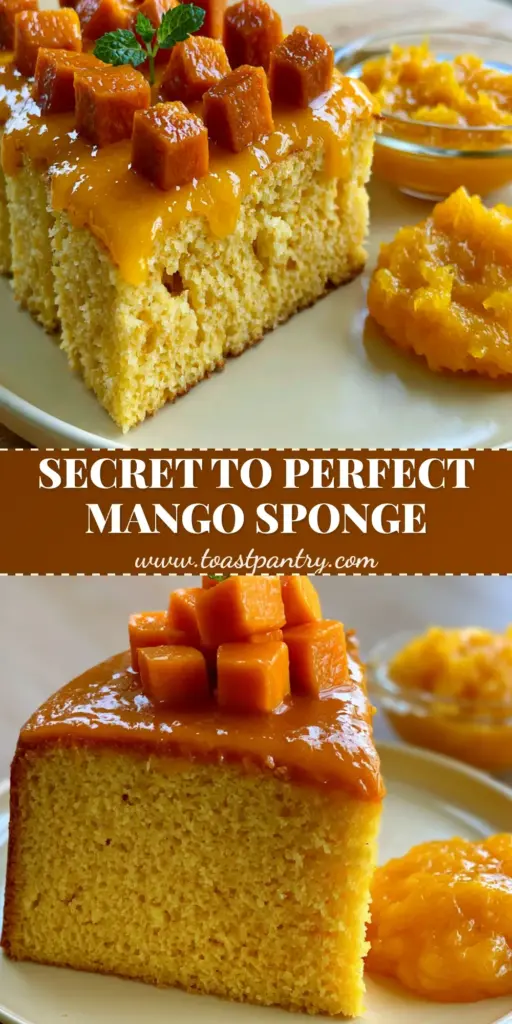
Mastering these Mango Cakes is a rewarding journey into the world of professional patisserie. The combination of the aerated sponge, the glossy reduction, and the intense Mango Gold paste creates a dessert that is as beautiful as it is delicious. We invite you to share your results and tag us in your photos!
Don’t forget to follow us on Pinterest for more visually stunning recipe inspiration. If you loved this, leave a comment below and let us know which mango variety you used!